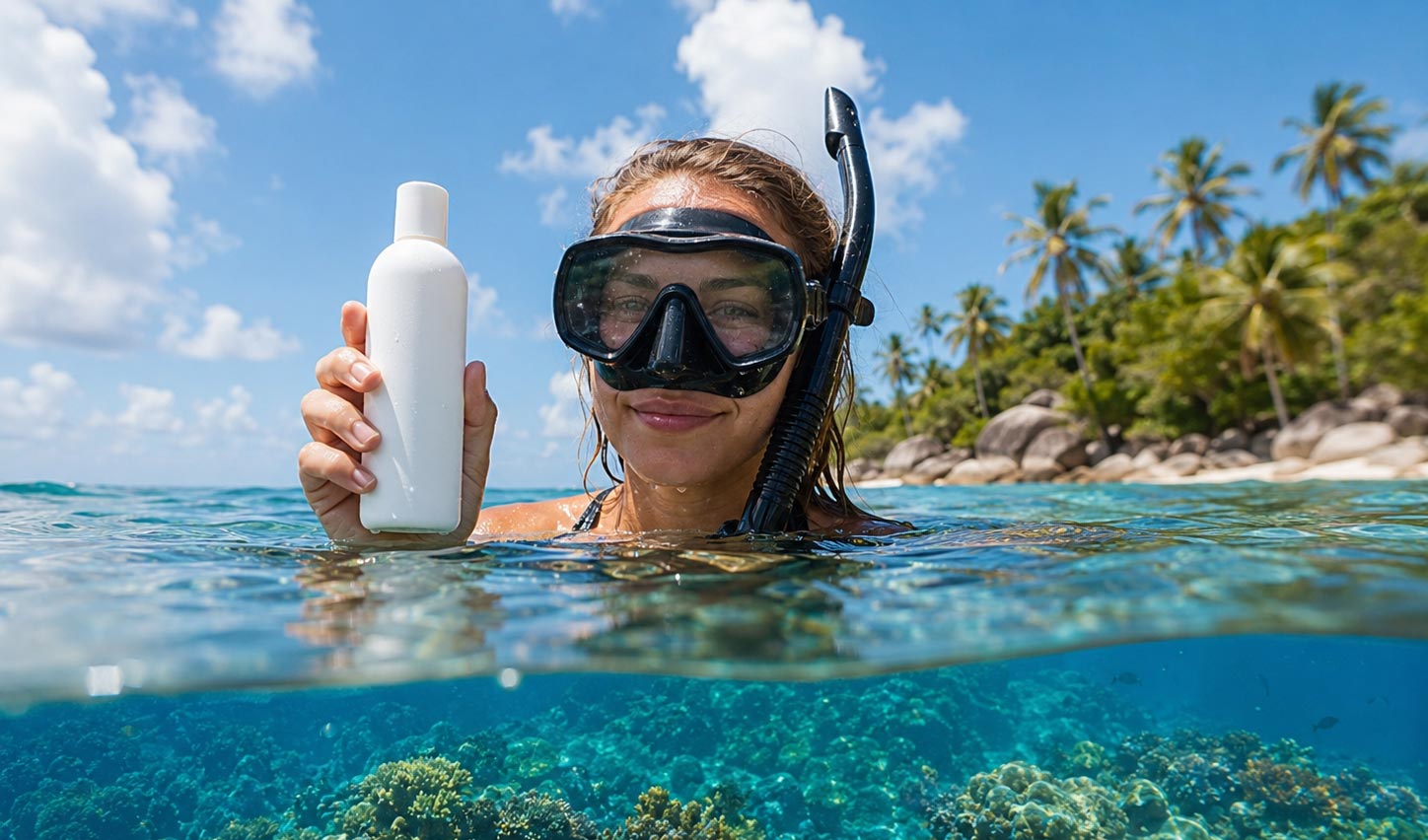
Sunscreen is a must for a day on the water, but here is something many visitors do not realize: the wrong kind can quietly harm the very reefs you came to admire. Hawaii has taken this seriously, and choosing the right sunscreen is one of the easiest ways to be a kinder ocean guest. Here is a simple guide to reef-safe sunscreen so you can protect your skin and the reef at the same time.
Why Sunscreen Matters to the Reef
When you swim, a little of whatever is on your skin washes off into the water. Two chemicals found in many everyday sunscreens, oxybenzone and octinoxate, have been shown to harm coral. They can stress and damage the tiny living animals that build the reef and contribute to coral bleaching. One swimmer seems harmless, but multiply that by the thousands of people who snorkel Hawaii's waters every day and the impact adds up quickly.
Hawaii's Sunscreen Law
Hawaii became the first state in the nation to ban the sale of sunscreens containing oxybenzone and octinoxate, a rule that took effect at the start of 2021. Some areas have added their own stricter rules to protect sensitive marine sites. The goal is simple: keep these coral-harming chemicals out of the water. Many products on Hawaii shelves are now reef-friendlier because of it, but it still pays to read the label before you buy.
How to Choose Reef-Safe Sunscreen
The best way to shop is to ignore the marketing on the front and look at the active ingredients on the back. A quick checklist makes it easy.
🪸 Reef-Safe Sunscreen Checklist
- Choose a mineral sunscreen with zinc oxide or titanium dioxide
- Avoid oxybenzone and octinoxate in the ingredient list
- Look for non-nano formulas when you can
- Pick lotions over sprays, which drift and waste product
- Remember that the words reef-safe are not officially regulated, so read the ingredients
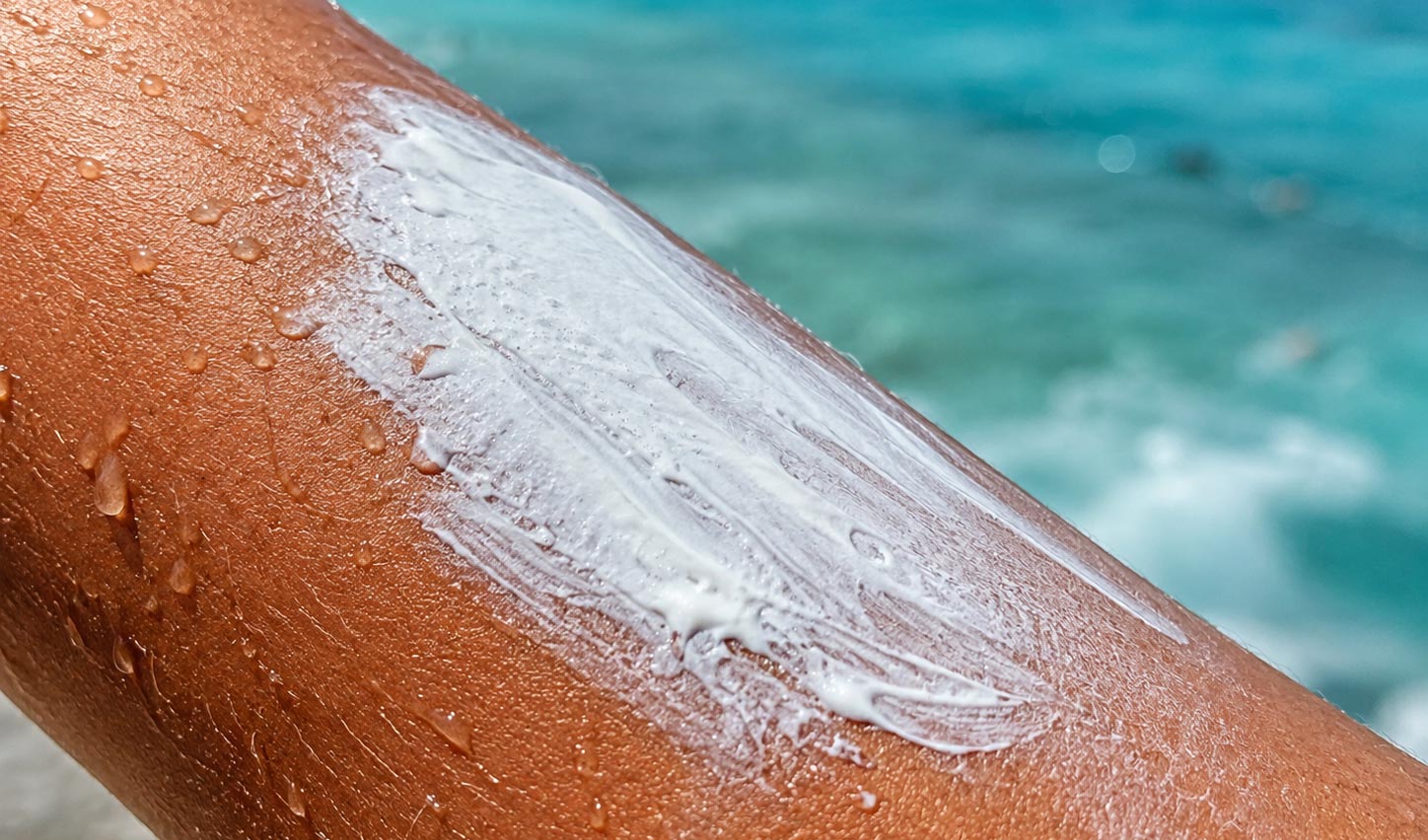
Mineral sunscreens work by sitting on top of your skin and reflecting the sun, rather than soaking in, which is gentler on the ocean. They can leave a light white cast, but that fades and is a small trade for a healthy reef.
Other Ways to Protect Your Skin and the Reef
Sunscreen is not your only tool, and the best approach uses a few together. Covering up means you need less sunscreen in the first place.
- Wear a rash guard or UV shirt to shield your back and shoulders.
- Apply sunscreen about fifteen minutes before you get in, so it binds to your skin.
- Reapply on the boat or beach, not while floating over the reef.
- Add a hat and sunglasses for time spent topside.
Together these habits keep you protected all day while sending far less into the water.
Snorkel Gently, Too
Reef-safe sunscreen is one piece of a bigger picture. You can help the reef even more by never standing on or touching coral, keeping a respectful distance from sea turtles and other wildlife, and never feeding the fish. Coral is a living animal that grows incredibly slowly, so a single careless kick of a fin can undo years of growth. Gentle, mindful snorkeling keeps these underwater gardens thriving.
Protect the Reef You Came to See
Choosing a mineral, reef-safe sunscreen, covering up with a rash guard, and snorkeling gently are small choices that add up to a big difference. Hawaii's reefs are alive, and every visitor who cares for them helps keep them beautiful for the next one. Slather on the zinc, slip into the water, and enjoy the reef knowing you are leaving it exactly as vibrant as you found it.
Ready to explore the reef the right way?
Our Waikiki snorkel tours provide the gear and a crew who know how to enjoy the reef while protecting it, from the turtles to the coral below.
View Snorkeling Tours →